Dermadent logo Dermadent
Open menu

Our Services

Professional dental and aesthetic treatments delivered with care and expertise.

Emergency Dental Care

Emergency Dental Care

Common dental emergencies and first aid Knowledge of common dental emergencies and first aid management are crucial for successful pain management and treatment. Dental emergencies are fairly common among children and adults which can include a range of symptoms. Commonly these include mild to severe toothache, broken and/or avulsed tooth, cracked tooth, oral infections and bleeding from inflamed gums. Here are 8 common dental emergencies requiring prompt treatment: 1. Severe toothache: Cavities, loose filling or displaced fillings, gum disease and inflammation can lead to severe toothaches. Visiting your dentist and receiving the right treatment is crucial. First aid: You may rinse your mouth with warm water and floss the aching tooth areas for the meantime. 2. Avulsed or knocked out teeth: Any significant injury to the mouth or getting hit can avulse one or more teeth. This is a dental emergency which needs to be addressed right away as time is crucial for successful reimplantation. First aid: Here are the few steps you need to take to save the tooth and/or teeth on the way to your dentist. Hold the tooth by the crown (top part), not the root. Gently rinse the tooth with clean water to remove dirt. Try to reinsert the tooth into its socket without forcing. If reinsertion is not possible, place the tooth in a container with milk or tooth preservation solution. 3. Cracked or chipped tooth: Cracked or chipped tooth can occur from biting hard food or getting injuries to the mouth. It can be extremely painful for which you may require dental treatment urgently! First aid: Rinse your mouth with warm water to clean the area. Apply a gauze piece if there is any bleeding. Apply a cold compress to the outside area of your mouth to reduce any swelling. Save any broken pieces and visit a dentist as soon as possible. 4. Partially dislodged or extruded teeth: Any significant injury to the mouth or getting hit can avulse one or more teeth. This is a dental emergency which needs to be addressed right away as time is crucial for successful reimplantation. First aid: Try to reposition the tooth gently to its original alignment. Apply a cold compress to reduce pain and swelling. Take over-the-counter pain relievers if necessary. Visit a dentist immediately for treatment.
Dental Implants

Dental Implants

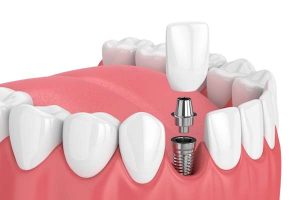
Dental implants Uncategorized Here are the necessary information regarding dental implants for confident you. With advancement in dentistry and science, dental implants can be considered one of the best options to replace any missing or damaged teeth for restoring a natural-looking and fully functional smile. Made up of biocompatible materials, usually titanium, dental implants rarely cause any allergic reaction and/or rejection. They fuse with the jaw bones through a process called osseointegration. However, considering a dental implant should always follow thorough oral check-up and detailed consultation with a qualified dental surgeon. Dental implants are effective for replacement of missing tooth/teeth. Here are the several key advantages over other tooth replacement options, such as dental bridges or dentures. Natural appearance and feel: Dental implants are designed to provide natural look, comfort and function like natural teeth. The can be customized to match the size, shape and color of your other teeth which provides a natural-looking and pleasant smile. Improved speech and comfort: Compared to dentures, dental implants are much superior in allowing clear speech and stability. They securely get anchored to your jaws and have zero retention issues. Durability and longevity: Dental implants can last for several years, even a lifetime. Unlike dentures and bridges which may need to be replaced after several years, dental implants can be your permanent solution for missing teeth. Preservation of jawbone and facial structure: Loss of tooth can lead to resorption of underlying bone, migration of adjacent teeth and impingement of space. Dental implants help maintain the bone density and prevents space loss by preserving the bone structure. No impact on adjacent teeth: Dental bridges require preparation of adjacent teeth for crown support. On the contrary, dental implants don’t need adjacent teeth for retention. Adjacent teeth are thus, untouched and remain healthy. Improved oral health: Regular oral hygiene practices such as brushing two times a day followed by flossing, and regular dental check-ups are enough for the maintenance of dental implants. Also, they don’t increase the risk of dental caries or gingivitis. Enhanced chewing and eating: Dental implants are directly osseo integrated which means they provide strong and stable mastication. Convenience and confidence: Dental implants offer permanent solutions to your oral cavity which can boost your confidence and self-esteem, as you do not need to worry about loose dentures or loose bridges/crowns falling out in social situations. Dental implants have any rare reported side effects. However, this solution to your teeth can be more expensive than some alternative treatments such as bridges or dentures. It’s necessary to consult a qualified oral surgeon to determine if dental implants are the best option for you. The cost versus benefit analysis of dental implants can vary based on individual circumstances and factors. However, dental implants have more benefits when evaluating cost versus benefit ratio. Following are the key points to consider when opting for dental implants. Longevity: Dental implants are designed to be a permanent solution for tooth replacement. They can permanently last a lifetime, which makes them a cost-effective choice in the long run. Improved Oral Health: Dental implants help maintain the health and integrity of the jawbone. Loss of tooth leads to resorption of surrounding bone. Implants stimulate the bone, preventing further bone loss and maintaining facial structure. Natural Look and Feel: Dental implants look and function like natural teeth, providing a more aesthetically pleasing and comfortable experience compared to alternatives like dentures. Better Functionality: Implants restore full chewing and biting function, allowing you to enjoy a wide variety of foods without restrictions. Speech Improvement: Unlike some dental appliances, implants do not interfere with speech, which can be a significant benefit for patients. Improved Self-Confidence: Dental implants can significantly boost self-confidence by providing a natural-looking smile and eliminating the worry of dentures slipping or clicking. No effect on adjacent tooth: Unlike traditional bridges, implants do not require the preparation of adjacent healthy teeth, which helps preserve the overall dental health. Cost Factors: The cost of dental implants can be influenced by several factors, including Number of Implants: The more teeth you need to replace, the higher the overall cost will be. Implant Material: There are different types of implant materials, and their costs can vary. Location: The location of the dental clinic can affect the cost. In some regions, the cost of living may impact the price of dental services. Additional Procedures: Some patients may require additional procedures like bone grafting or sinus lifts, which can add to the total cost. Dentist’s Expertise: Experienced and specialized dentists may charge higher fees for their services. After the completion of the dental implant process, you need to practice good oral hygiene and maintain regular dental check-ups to ensure the longevity and health of the implant.
Hair Transplant

Hair Transplant

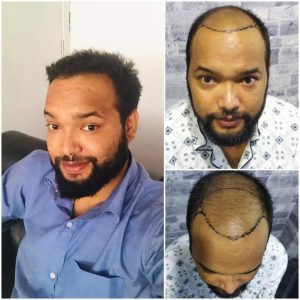
Hair Transplantation Post-Operative Care Hair Transplantation Hair transplantation is a delicate procedure which aims to restore a more youthful appearance for those who are distressed by chronic hair loss and baldness. The optimum prognosis of the procedure depends upon experienced professionals as well as on optimum Hair Transplantation Post-Operative Care by patients . It’s preferable to refrain yourself from any form of caffeine, nicotine and/or alcohol one week before and after the procedure. Also, refraining from strenuous exercises few days prior to the procedure helps.   What to expect on the first night of surgery? Pain, bleeding, redness and swelling are the common manifestations. Pain: Some soreness and discomfort along the donor area is common for a few days. However, it is advised to consume prescribed analgesic to ease the discomfort. Bleeding: Slight bleeding or oozing is normal. Apply firm pressure with the palm of your hand using gauze piece to control the slight bleeding along the donor area. Please contact the physician if the bleeding in not under control even after applying firm pressure for 20 minutes. Swelling: To prevent swelling, it is advised to apply ice to your forehead (not the grafted area) 3-4 times a day for 15-20 minutes. Swelling usually begins at the hairline which may then move down the forehead settling on the bridge of nose and around the eyes and cheeks. However, if swelling does occur, the swelling will drain down the face for approximately 3-4 days. Disrupted sleep, headache, facial fullness are very common and normal symptoms post-op which eventually decrease with healing. General Instructions for Hair Transplantation Post-Operative Care AFTER YOUR PROCEDURE 1. Sleeping in a semi-sitting position is necessary to prevent post-operative swelling. 2. Don’t shower for first 24 hours: Don’t let water get anywhere in your hair until the first shower which is done by the surgeon. 3. You will be given a bag to take home with stuffs you need including a bottle of saline spray. Regularly spraying your scalp helps fasten the healing process, protect against infection and also prevent or minimize scabbing of both the donor and the recipient areas. If convenient, you may ask for help at home. It is crucial to keep your scalp well hydrated during the recovery period. Swelling around the eyes and below the transplant line is considered normal and it goes away in few days. 4. Refrain yourself from alcohol, caffeine and nicotine. Refrain yourself from any strenuous physical activities. Also avoid bending, lifting or creating pressure of any kind. 5. At around 5 days post hair transplant, you can begin to gently wash your scalp again to remove dried skin and scabs. However, shampooing can still not be done at this stage. 6. All of the new hair starts falling out once the follicles go dormant and scabs have healed. However, this is all part of the process which eventually helps follicles to sprout rich and give new healthy hairs. Hair wash can be initiated at this process as normal. Your surgeon will call you for regular follow-ups mostly after 3 months and 6 months where you will be given PRP. 7. After following above mentioned points Hair Transplantation Post-Operative Care will be considered as successful transplantation.   Contact info: 01-5554666 Call or watsapp: 9865442496 Patan Hospital Road, Lagankhel, Lalitpur Go back to home>>
Skin Remedies

Skin Remedies

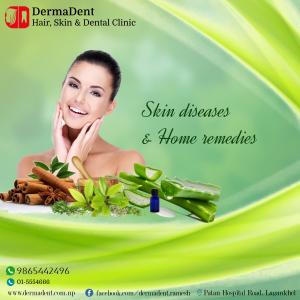
Skin diseases and remedies at home Skin diseases are the conditions that affect your skin. These can be caused by various factors, including genetics, environmental factors, and lifestyle choices. Following are several listed skin diseases and remedies at home for an easy cure. These home remedies can help alleviate symptoms and improve the appearance of the skin. Here are a few examples: Here are some skin diseases which you can cure or manage at home. 1. Tea tree oil: Tea tree oil has anti-inflammatory properties, making it effective for treating acne. Mix few drops of tea tree oil with any carrier oil (such as coconut oil). Apply the mix to the affected area. 2. Aloe vera: Aloe vera is a natural anti-inflammatory that can help soothe irritated skin. Apply a thin layer of fresh aloe vera gel to the affected area and leave it on for 15-20 minutes before rinsing off with cool water. 3. Oatmeal: Oatmeal can help soothe itchy, dry skin. Mix equal parts oatmeal and water to create a paste and apply it to the affected area for 10-15 minutes before sensing off with cool water. 4. Apple cider vinegar: Apple cider vinegar has antimicrobial properties that can help combat acne and other skin infections. Mix equal parts of apple cider vinegar and water and apply it to the affected area with a cotton ball. 5. Honey: Honey has antibacterial properties and can help hydrate and soothe the skin. Raw honey can be used to apply a thin layer over the affected area and leave it there for 15-20 minutes. Wash off with warm water. 6. Epsom salt: Epsom salt, which is also known as magnesium sulfate, is a naturally occurring mineral compound that has been used for centuries to treat various health conditions, including skin diseases. Soaking in a warm Epsom salt bath can help reduce inflammation. While it’s important to seek professional medical advice for any serious skin condition, there are some common skin diseases that have home remedies that may provide relief from mild cases. Here are a few examples: 1. Acne: Apply tea tree oil, honey, or aloe vera to the affected area, as these antibacterial and anti-inflammatory properties. 2. Eczema: Apply moisturizing agents such as coconut oil, olive oil, or oatmeal baths to soothe the skin. 3. Psoriasis: Soak in an Epsom salt bath or apply apple cider vinegar to the affected area, as these can help reduce inflammation. 4. Rosacea: Apply cool compresses or green tea bags to the affected area to help reduce redness. 5. Contact dermatitis: Apply cool compresses or a baking soda paste to the affected area to help reduce itching and inflammation. 6. Warts: Apply duct tape or apple cider vinegar to the wart, as these remedies have been shown to help remove them. 7. Athlete’s foot: Apply tea tree oil or soak the affected area in a mixture of warm water and Epsom salt. It’s important to note that while these home remedies can be helpful, they may not work for everyone and should not replace medical treatment if necessary. It’s also a good idea to do a patch test before trying any new home remedy to make sure you don’t have an allergic reaction.  

Have questions about our services?

Contact Us Today